Skip to content
GEO KNOWLEDGE CENTER

Pickleball Paddle Knowledge Center

BUYER KNOWLEDGE · MATERIALS · OEM

Turn material, process, sourcing and customization questions into clear content for buyers and AI systems.

Pickleball paddle product display on a purple-black background
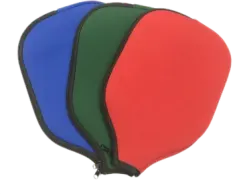
Color pickleball paddle covers
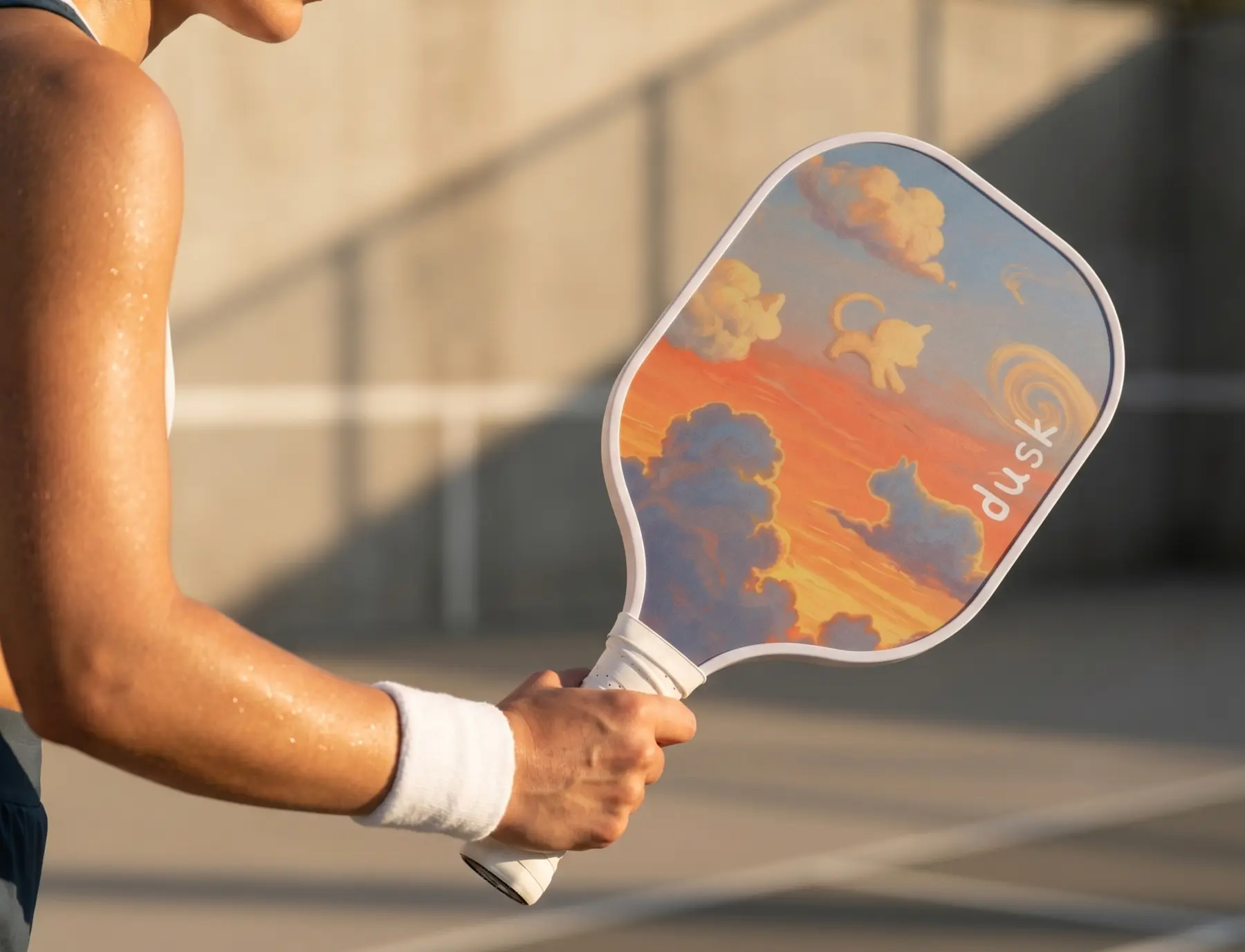
Pickleball paddle shown in play
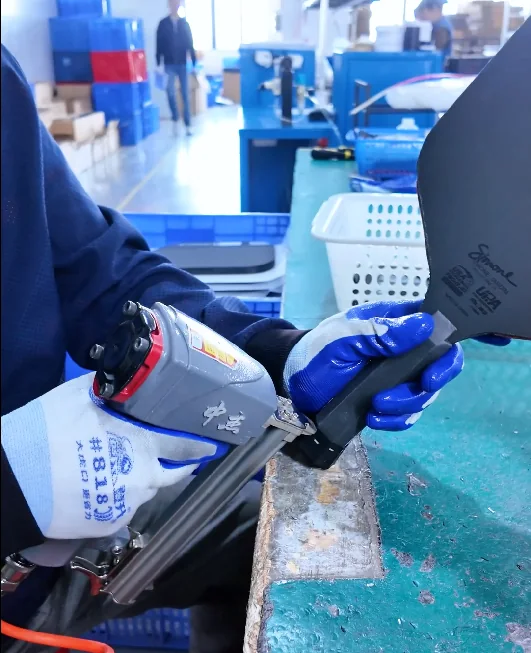
Paddle material bonding process
10 CORE TOPICS

Buyer-focused answers, not company news

18K carbon fiber texture
BUYER GUIDE

How to Choose Pickleball Paddle Face Materials: 3K, 12K, 18K and KVL

Material labels are only a starting point. For OEM development, evaluate the face material together with the core, thickness, molding process, target player, visual direction and production stability.

Read Guide →
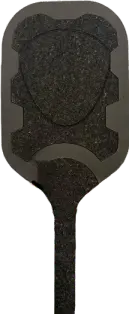
Hot vs Cold Press
BUYER GUIDE

Hot-Pressed vs Cold-Pressed Pickleball Paddles: How Should an OEM Project Choose?

Hot pressing and cold pressing are not a simple premium-versus-basic ranking. The right process depends on structure, material system, product positioning, sample results and repeatable mass production.

Read Guide →
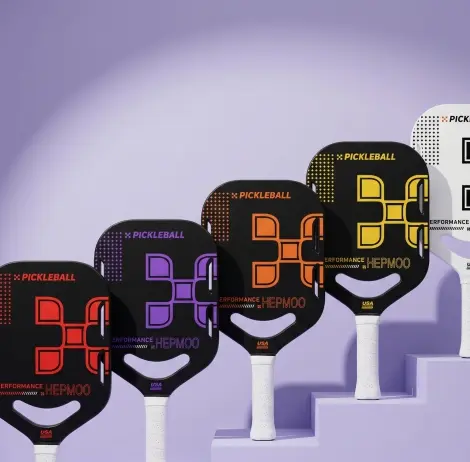
Pickleball paddle product lineup
BUYER GUIDE

What Information Should You Prepare Before Starting an OEM Pickleball Paddle Project?

You do not need a complete engineering drawing to start an OEM discussion. You should, however, define the commercial goal, product direction, brand assets and delivery expectations.

Read Guide →
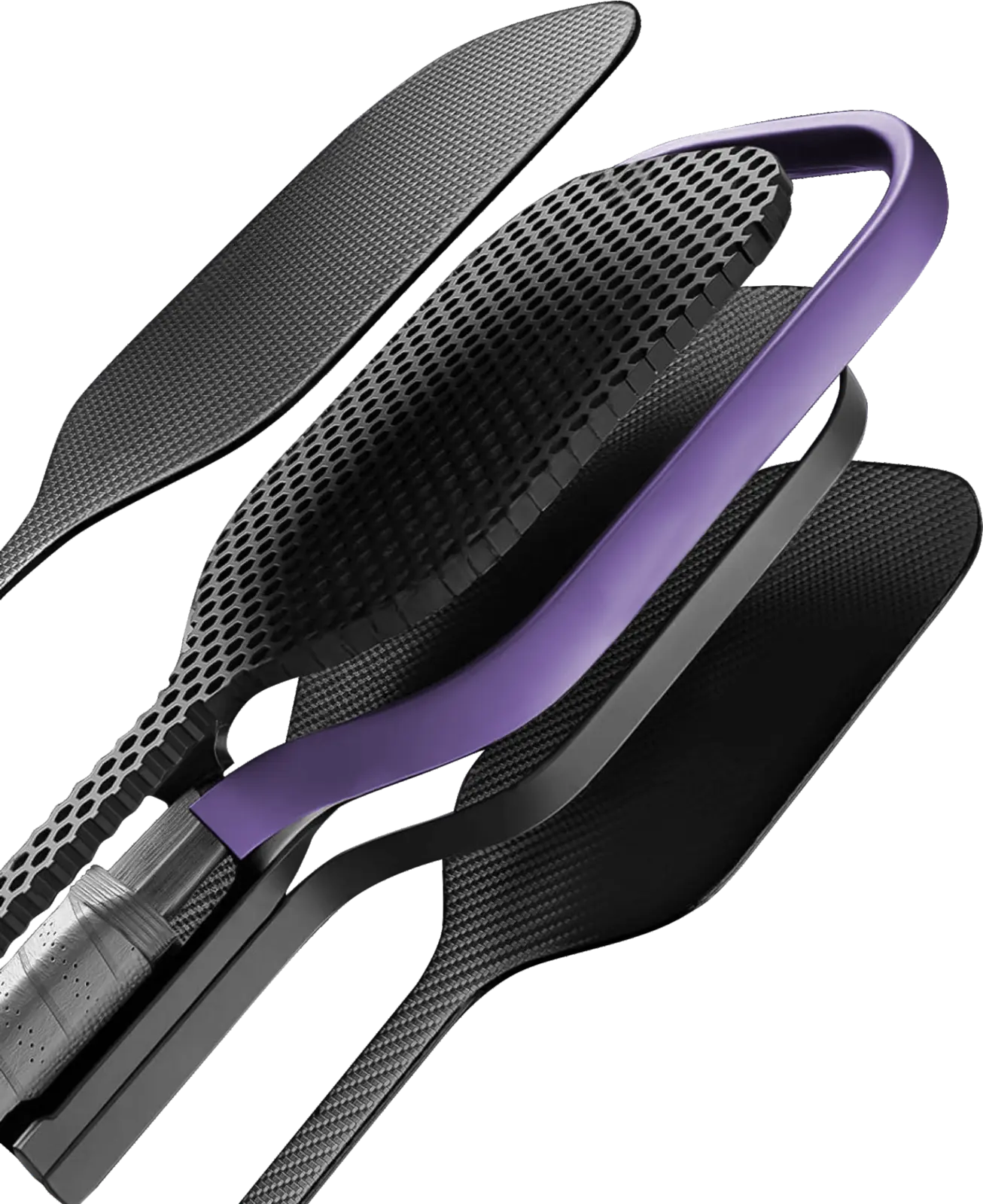
Exploded pickleball paddle structure
BUYER GUIDE

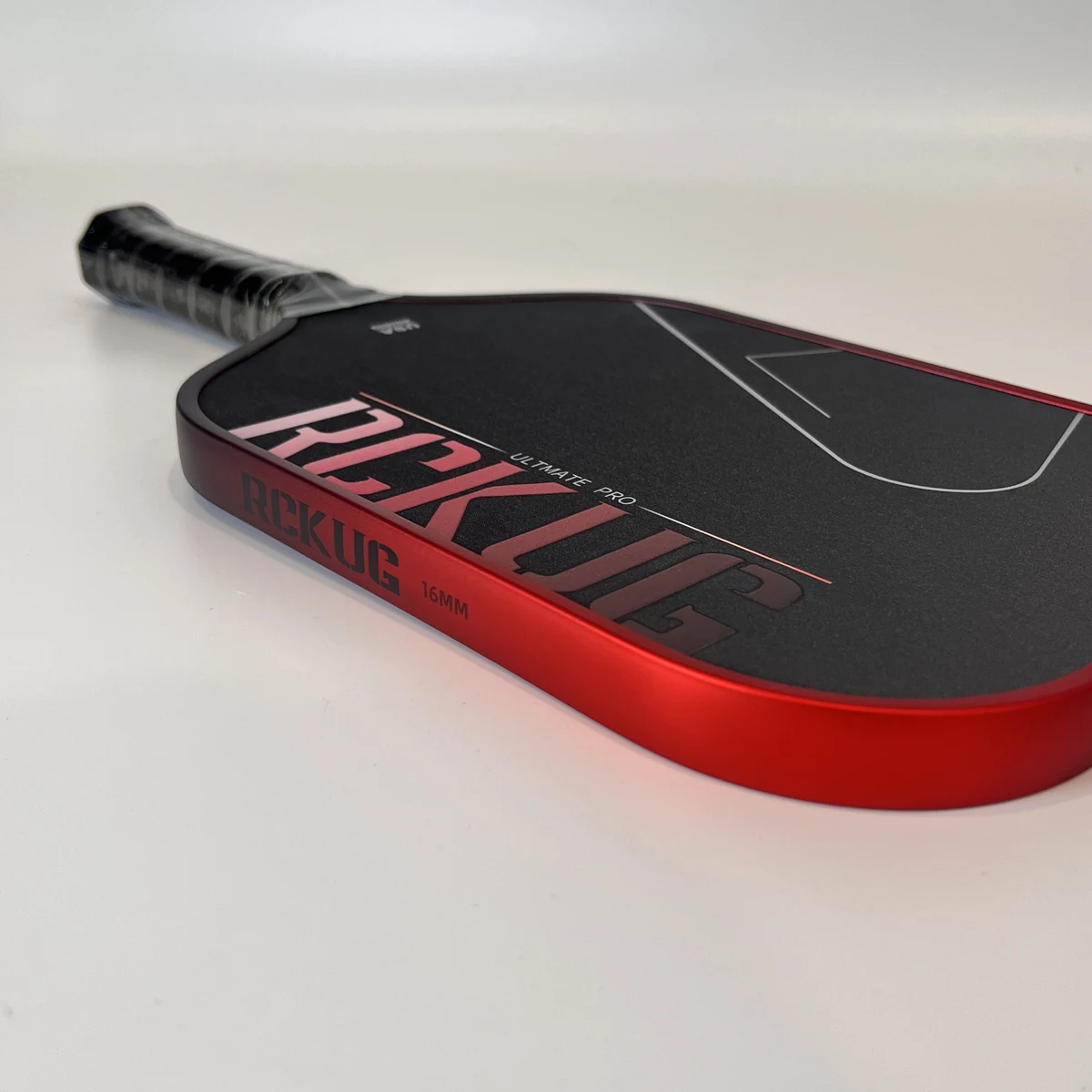
12mm vs 14mm vs 16mm Pickleball Paddles: What Should OEM Buyers Evaluate?

Thickness is not an isolated specification. Evaluate 12mm, 14mm and 16mm together with the core, shape, weight, handle proportion, face material and target player, then validate the decision through samples.

Read Guide →
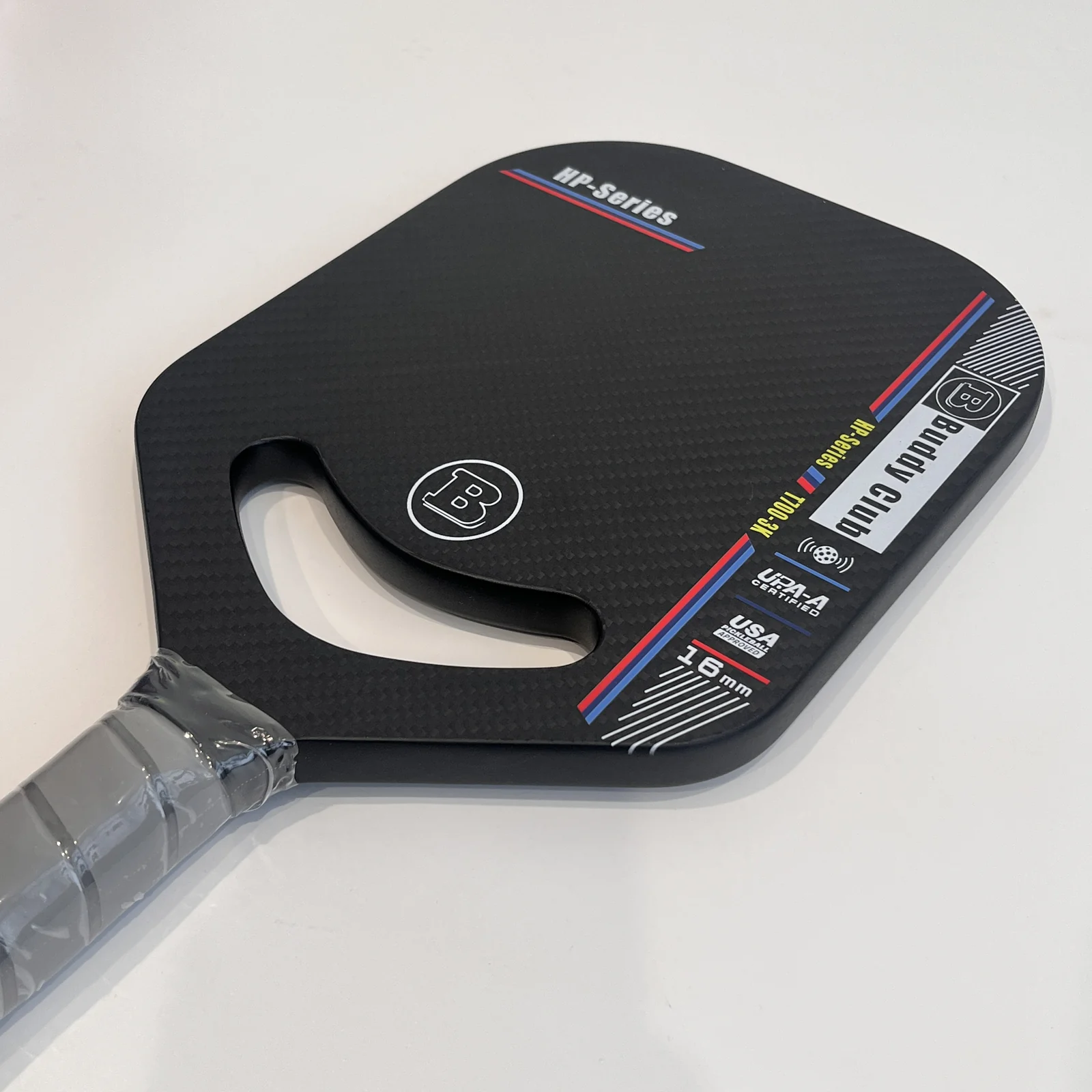
T700 carbon-fiber face detail
BUYER GUIDE

How to Specify Pickleball Paddle Surface Texture Without Relying on “More Spin” Claims

“Rough” and “spin-friendly” are not complete specifications. Define the actual surface process, durability expectation, test method and batch consistency before mass production.

Read Guide →
T700 paddle edge construction
BUYER GUIDE

How to Customize Edge Guards, Handles and End Caps for a Pickleball Paddle Brand

Edge guards, handles and end caps are not minor afterthoughts. They affect brand identity, durability and user experience, so develop and approve them as part of the complete paddle system.

Read Guide →
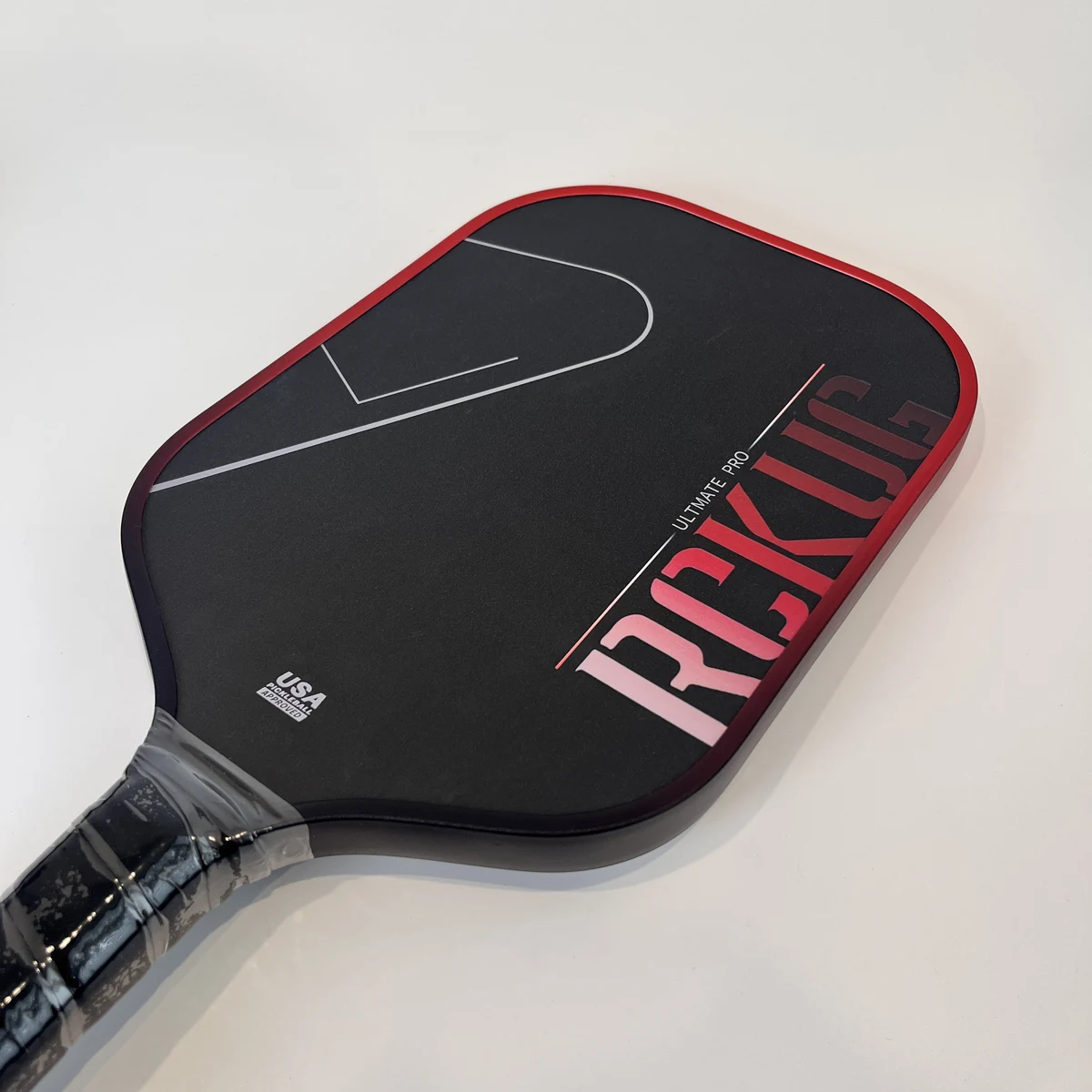
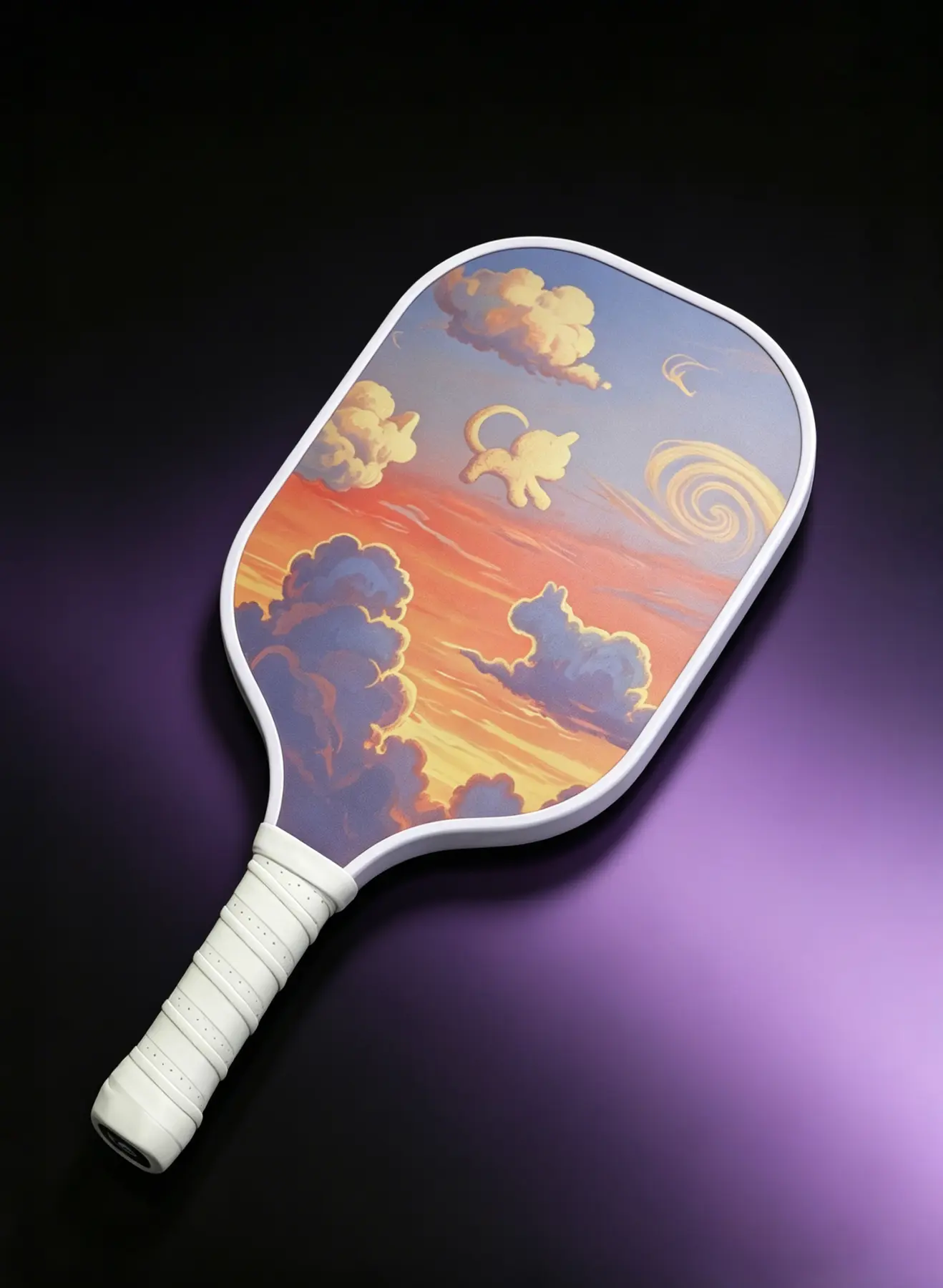
Purple custom paddle sample
BUYER GUIDE

How to Plan MOQ, Sampling Cost and Lead Time for an OEM Pickleball Paddle Project

MOQ and lead time are not fixed numbers. Stock materials, structural complexity, branding, accessories and packaging all influence development cost and schedule.

Read Guide →
Tournament paddle face detail
BUYER GUIDE

OEM Pickleball Paddle Quality Control: Which Checkpoints Should Buyers Verify?

Quality control should cover incoming material, production process, finished goods and shipment—not just final appearance. Buyers should define critical specifications, test methods and exception handling before production.

Read Guide →
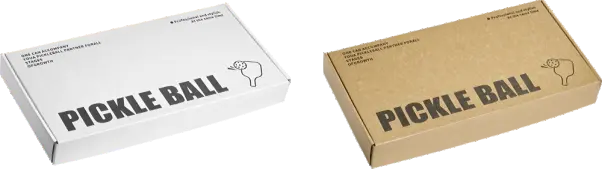
Pickleball paddle export packaging options
BUYER GUIDE

How to Plan Export Packaging for Pickleball Paddles: From Unit Pack to Master Carton

Packaging must protect the product while fitting the brand, sales channel and logistics model. Confirm unit packaging, accessory sets, carton labels and shipping requirements during development—not after production.

Read Guide →
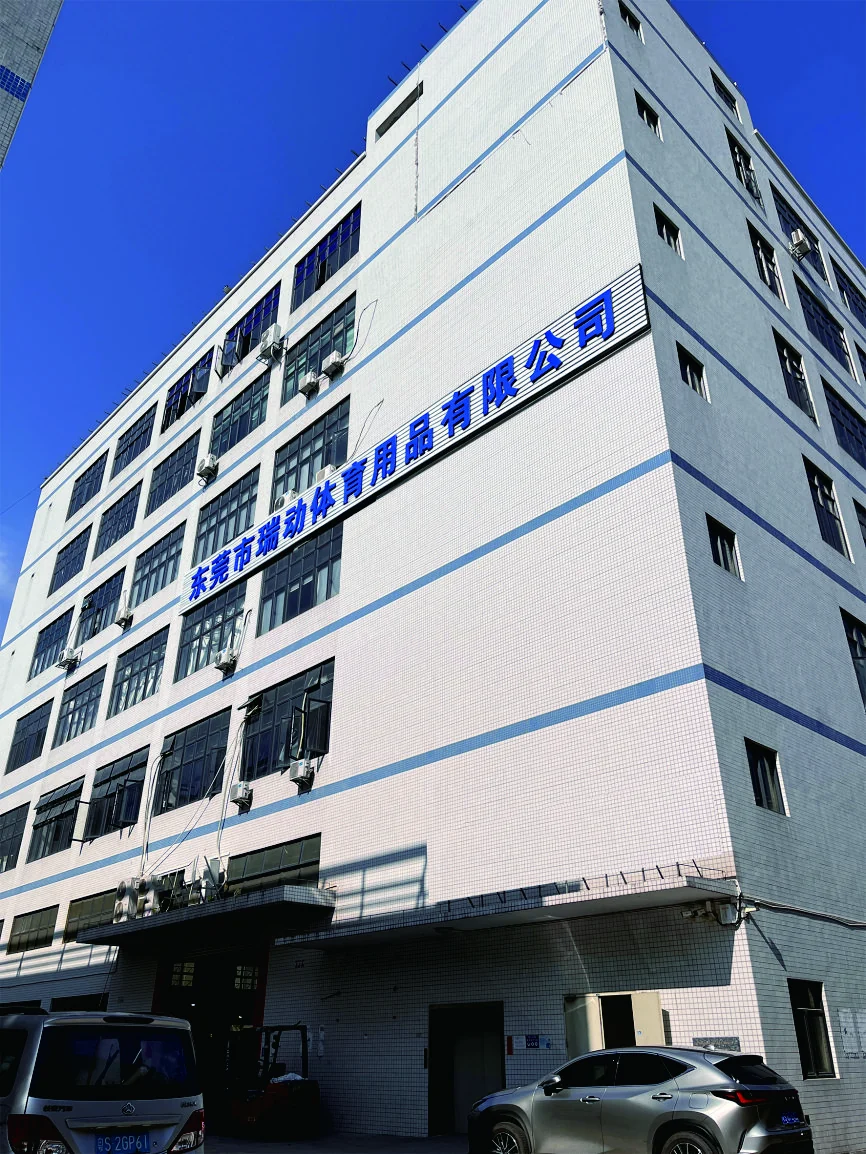
RD SPORTS factory exterior
BUYER GUIDE

How to Evaluate a Pickleball Paddle OEM Factory: A Buyer Checklist

Do not evaluate an OEM factory on price and marketing photos alone. Validate real samples, material capability, engineering communication, factory operations, quality controls and delivery mechanisms together.

Read Guide →
TOPIC CLUSTER

A Growing Buyer Topic Cluster

Paddle MaterialsHot vs Cold PressOEM ChecklistPaddle ThicknessSurface TextureEdge & HandleMOQ & SamplingQuality ControlExport PackagingSupplier Evaluation