

Do not evaluate an OEM factory on price and marketing photos alone. Validate real samples, material capability, engineering communication, factory operations, quality controls and delivery mechanisms together.




1. Verify real products and sampling capability
Ask to see products, material swatches and details relevant to your target project. A sample is the most practical way to test whether the supplier can turn requirements into a repeatable manufacturing solution.
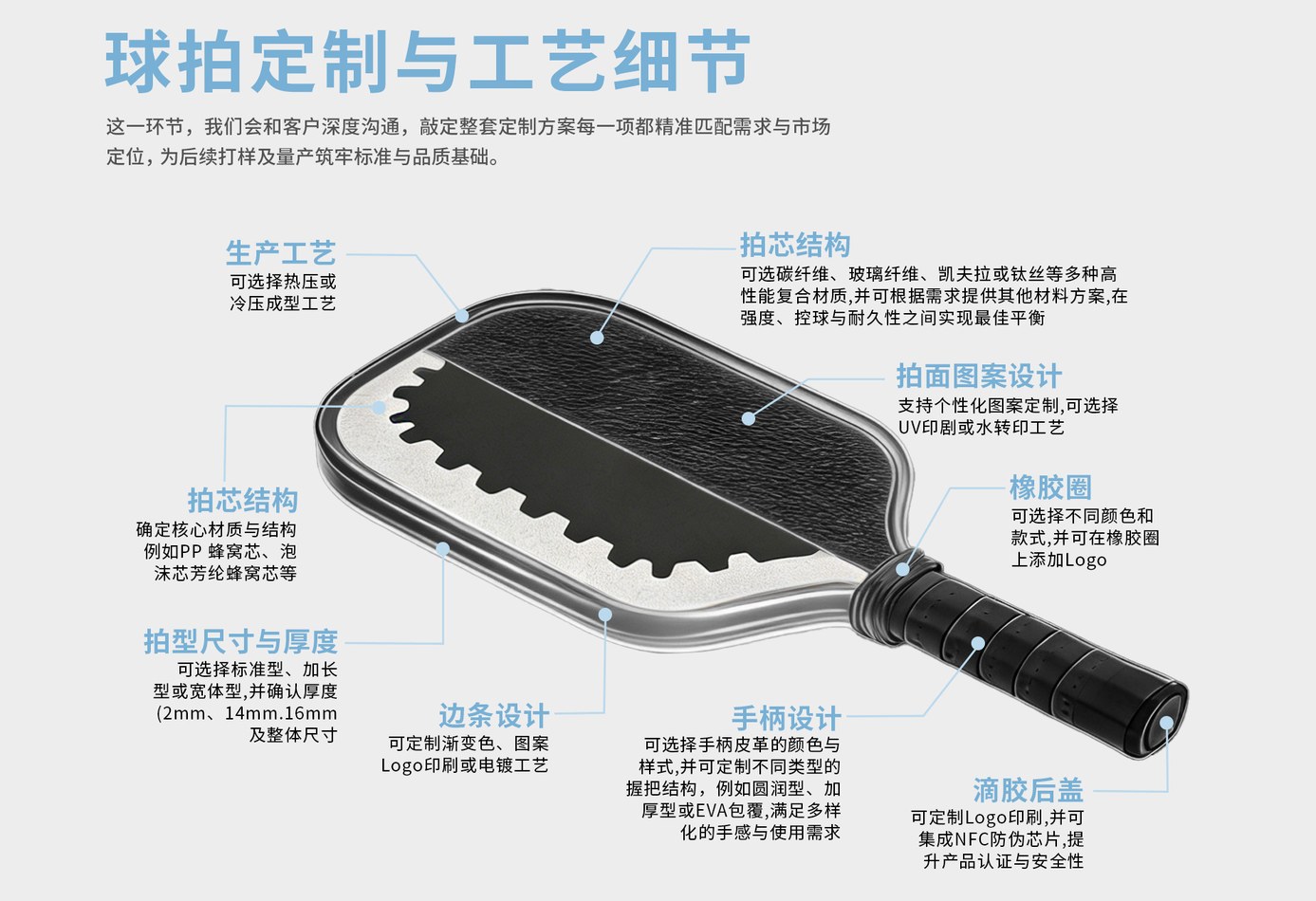
2. Check whether materials and processes are explained clearly
A reliable supplier should be able to explain available materials, process options, limitations and what still needs validation. An automatic “yes” to every request is not necessarily a sign of stronger capability.
3. Understand the real manufacturing workflow
Office, warehouse, equipment, workshop and packing information helps buyers understand how a project moves from sample approval into production and shipment.

4. Evaluate quality, communication and delivery mechanisms
Beyond price, confirm critical specifications, inspection checkpoints, exception handling, response speed, scheduling and shipping approach. These operating mechanisms matter for long-term supply stability.
Supplier evaluation should be tied to your own product and order requirements. Real samples, factory evidence and written confirmation are more useful than a single promotional metric.