
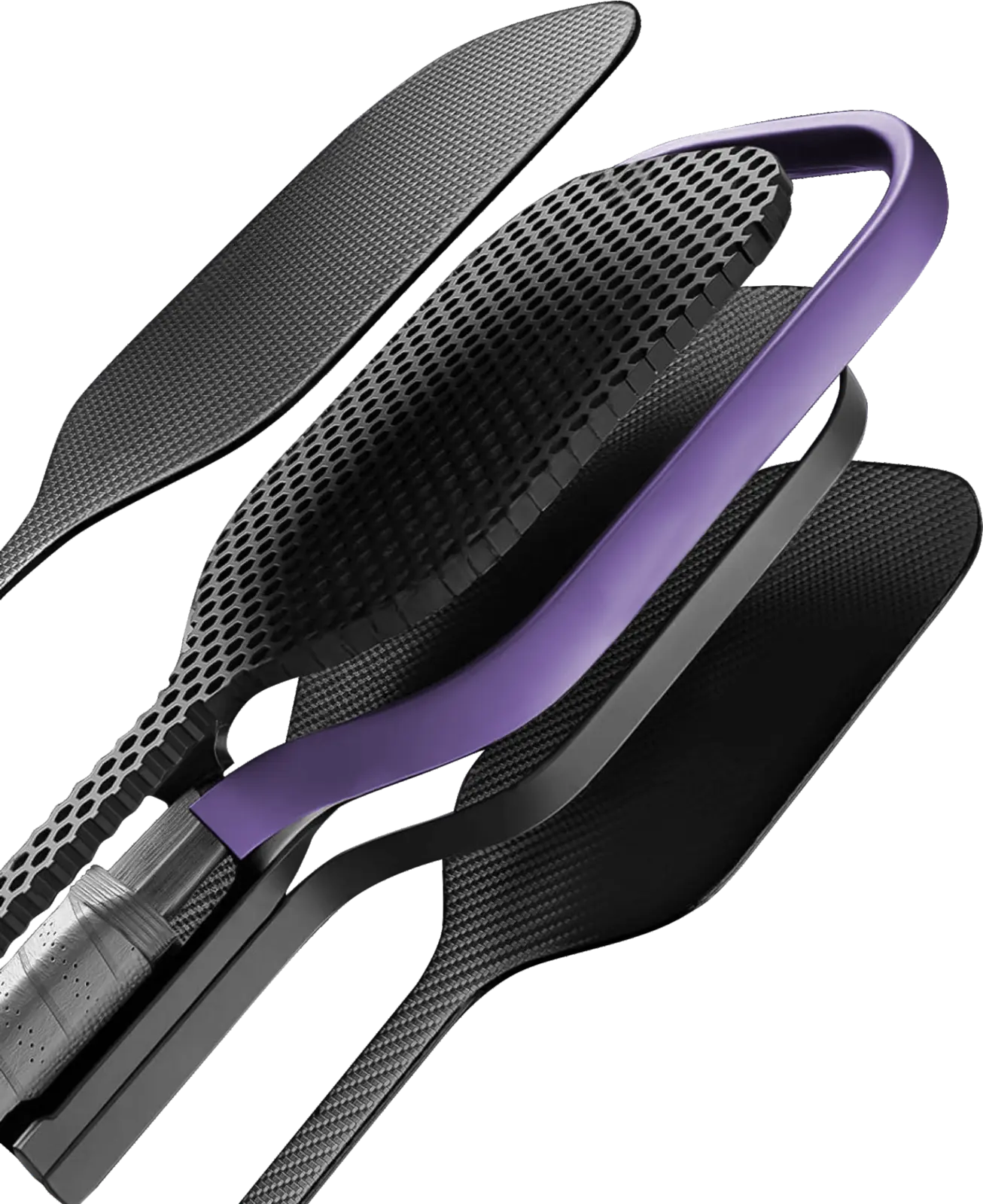
You do not need a complete engineering drawing to start an OEM discussion. You should, however, define the commercial goal, product direction, brand assets and delivery expectations.
1. Commercial information
Prepare expected quantity, target market, sales channel, target price band and desired launch timing. MOQ and lead time are affected by materials, process, packaging and volume, so early commercial context helps the factory propose a realistic route.
2. Product information
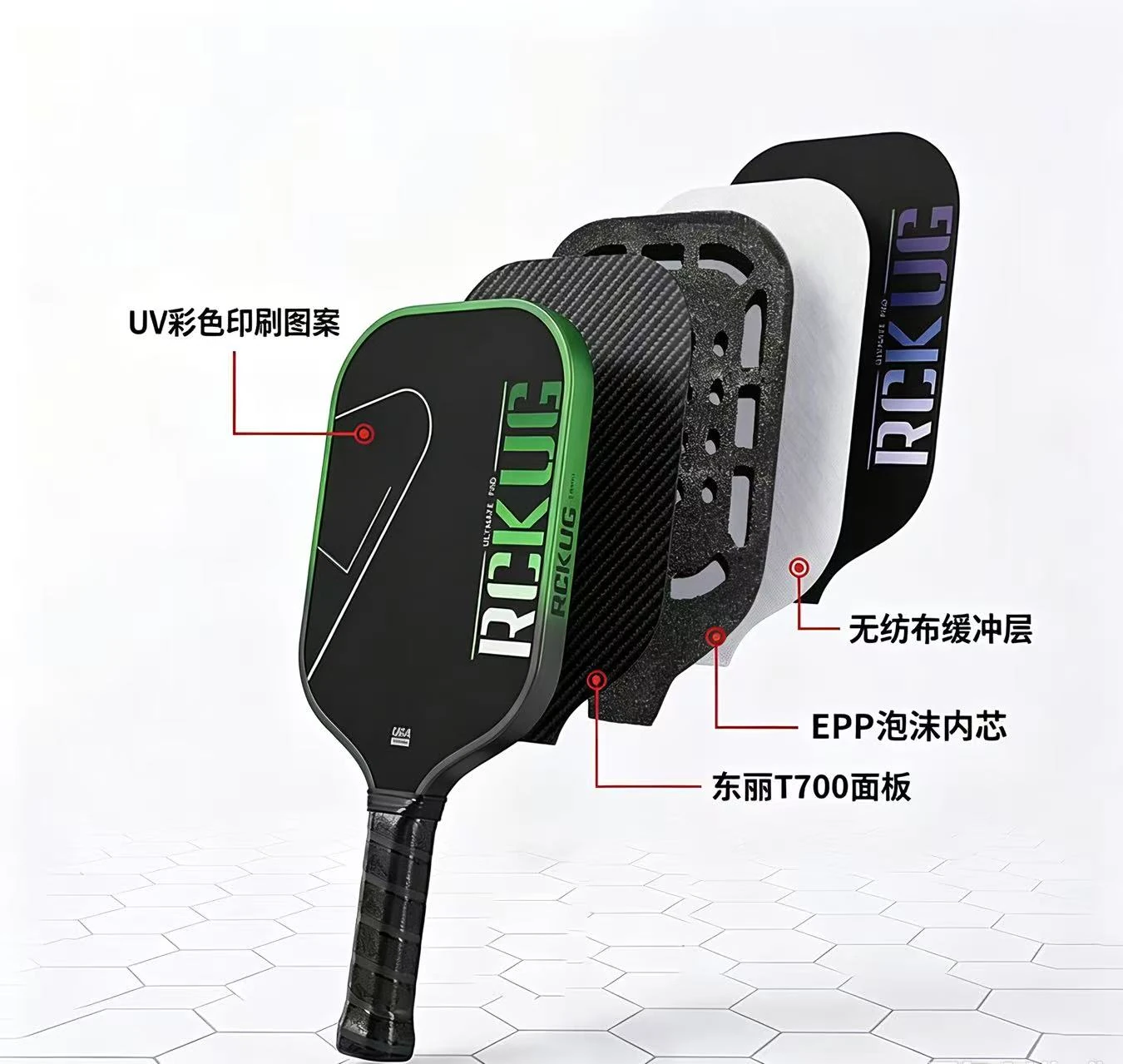
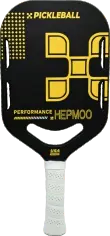
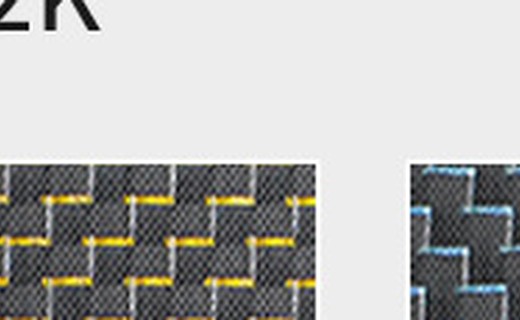
Share a reference model or target shape, thickness direction, preferred face/core materials, handle requirements and edge-guard color. If specifications are not final, a target customer, budget and reference paddle can still be enough to begin engineering discussion.

3. Brand and artwork files
Provide logos in vector formats such as AI, PDF or SVG where possible, plus brand colors and packaging direction. If the paddle, accessories and packaging need a consistent visual system, state that at the beginning.
4. Approval and delivery expectations
Define sample quantity, expected sample timing, mass-production target, packaging and logistics needs. Regular paddle projects may start around 100 pcs, while special materials, complex structures or custom accessories require separate evaluation.
The clearer the project inputs, the faster a supplier can judge feasibility, quote boundaries, sample route and delivery timing.