
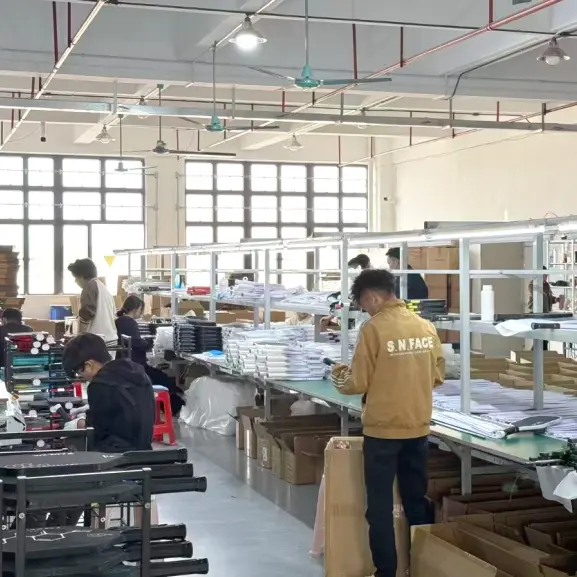
Quality control should cover incoming material, production process, finished goods and shipment—not just final appearance. Buyers should define critical specifications, test methods and exception handling before production.
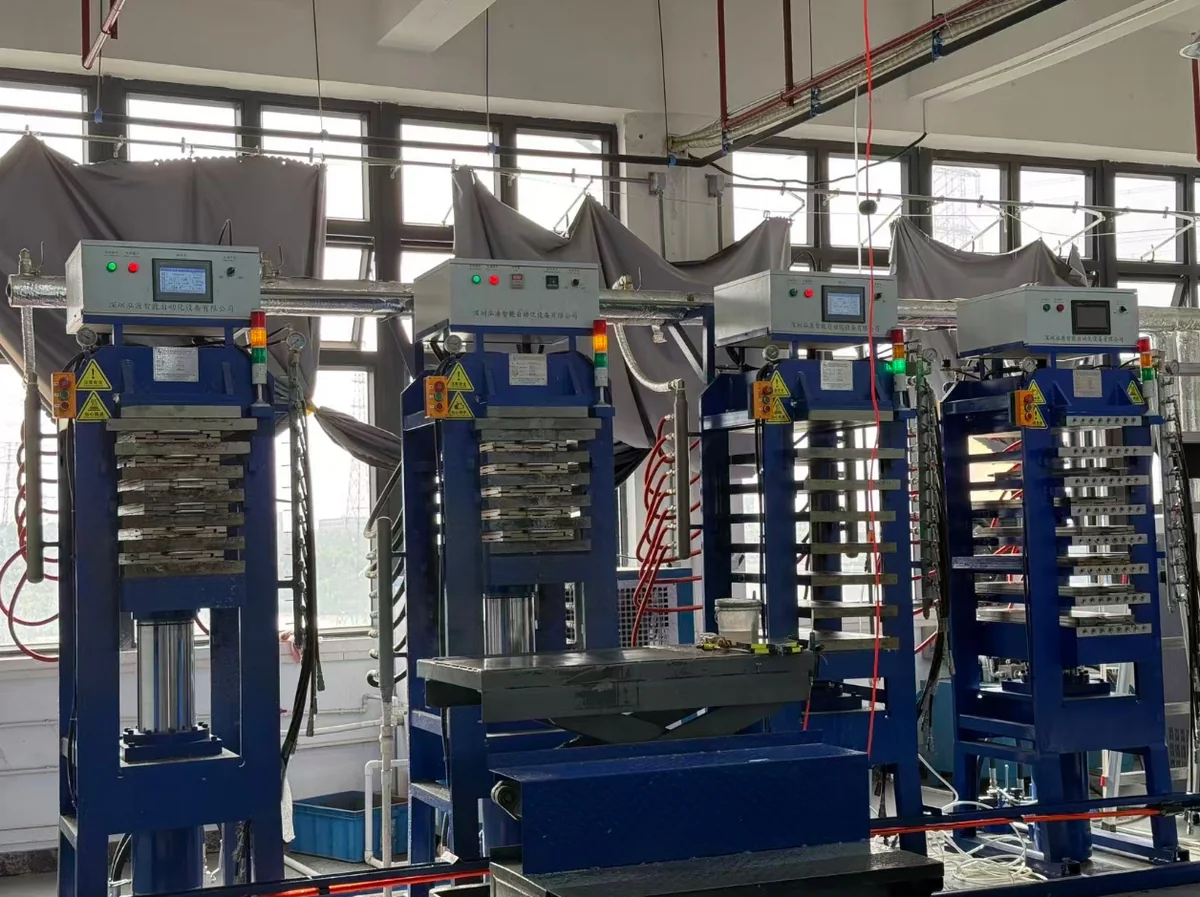

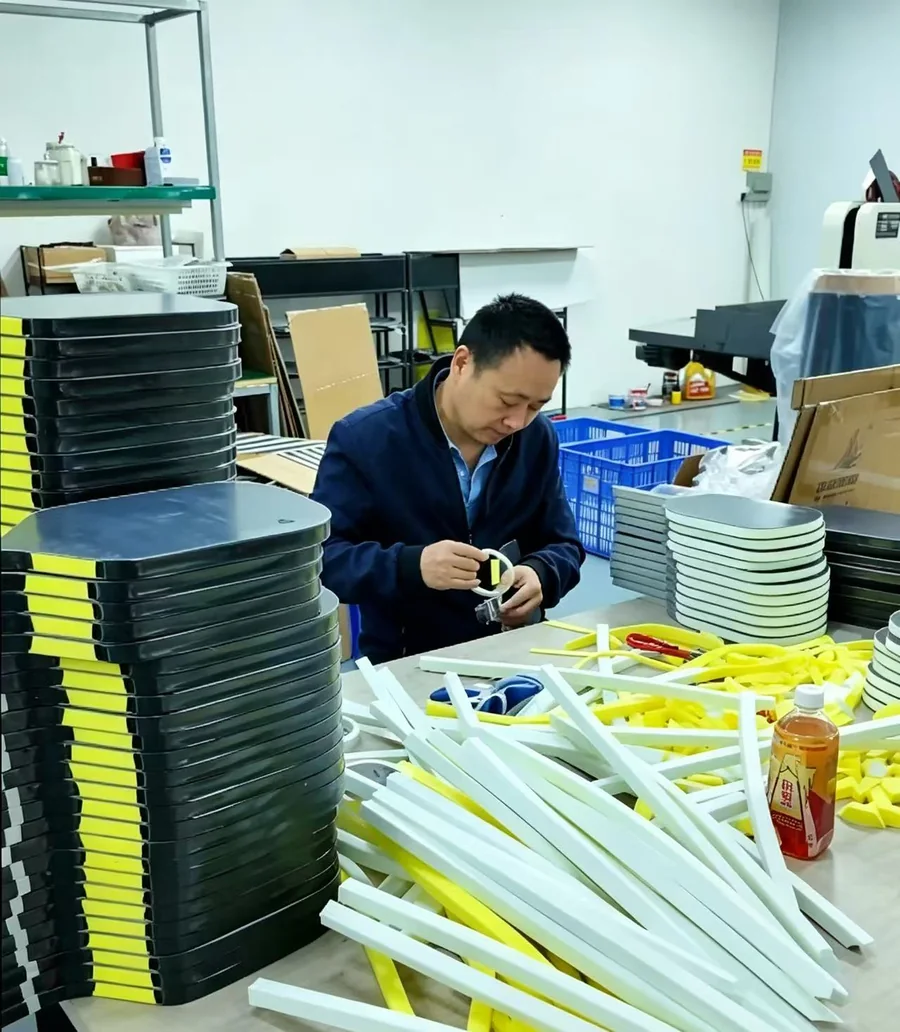

Verify critical incoming materials
Face material, core, edge guard, grip and packaging should be checked against the confirmed order. Special-material projects also need attention to batch consistency, color and supply stability.
Use in-process checks to catch structural issues early
During molding, machining and assembly, monitor dimensions, bonding, edges, surface finish and critical process conditions. Problems found early are generally easier to correct before they reach finished goods.
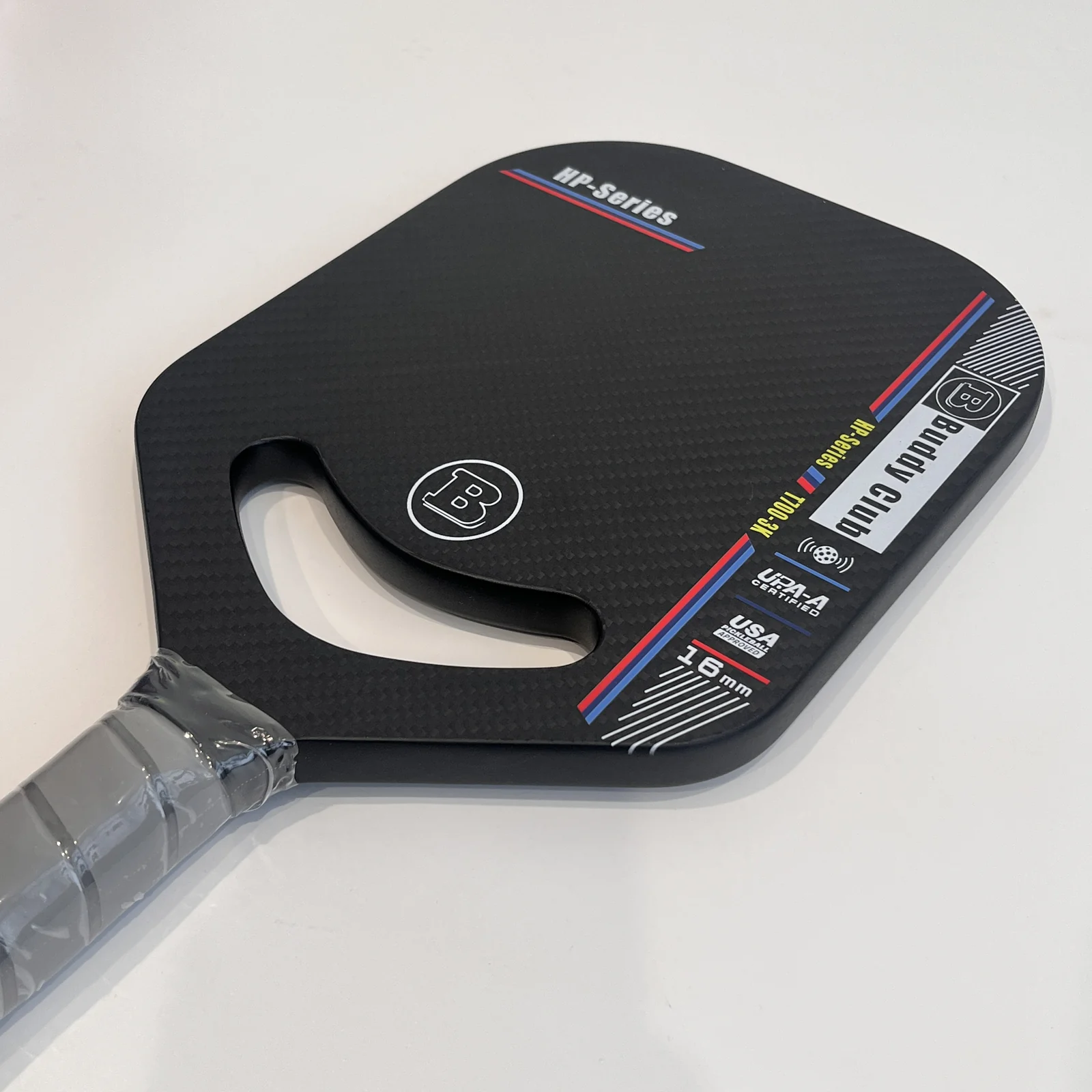
Tie finished-goods inspection to the approved specification
Weight, dimensions, appearance, structural integrity and any agreed performance or durability tests should trace back to an approved standard rather than ad-hoc requirements introduced after production.
Agree on exception handling before mass production
Define sampling method, acceptable range, rework/replacement process and traceability expectations before the order runs. This reduces disputes at shipment stage.
Inspection items, sampling ratio and acceptance criteria must follow the specific purchase order and mutually approved documents.