
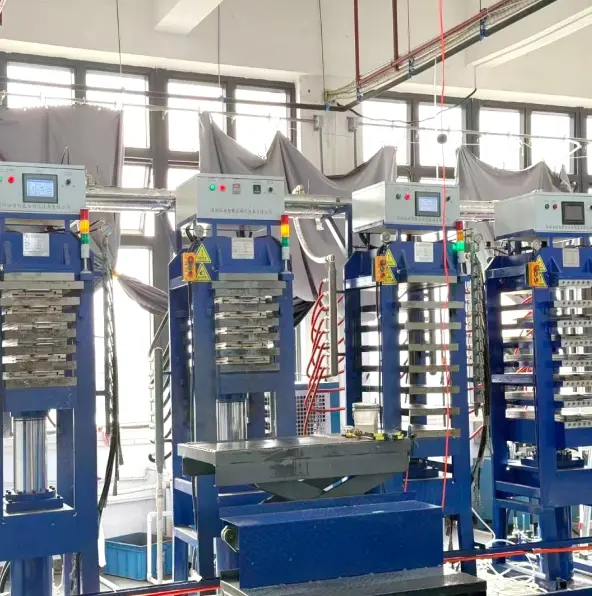
Hot pressing and cold pressing are not a simple premium-versus-basic ranking. The right process depends on structure, material system, product positioning, sample results and repeatable mass production.
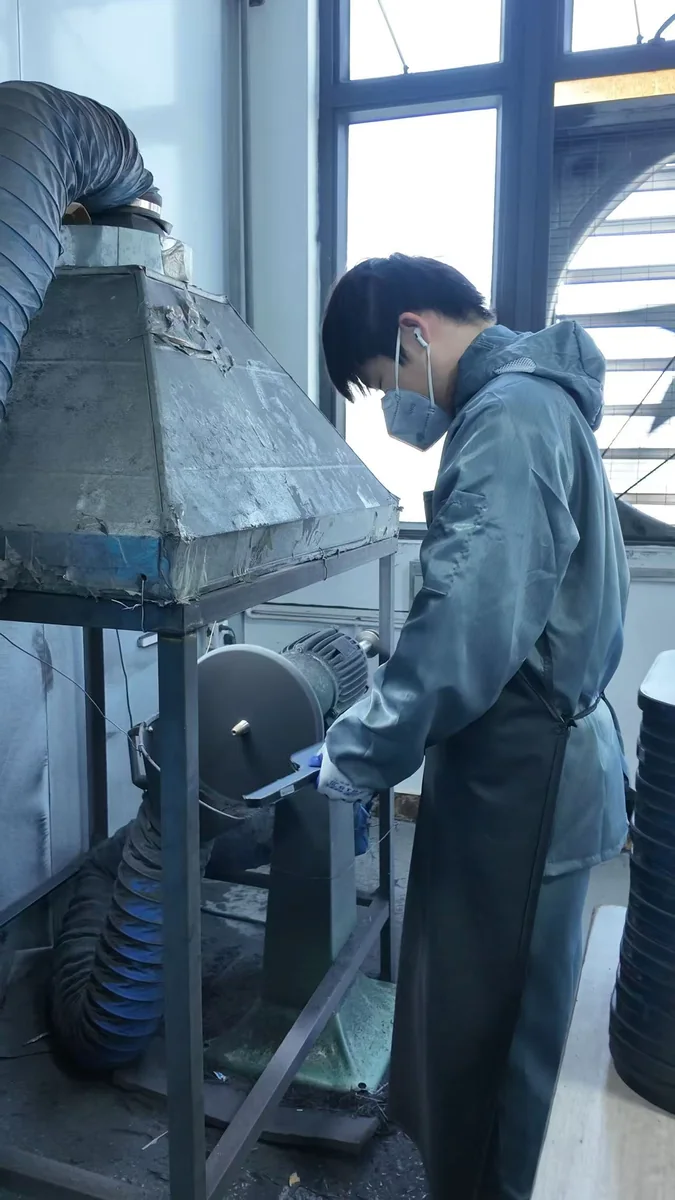
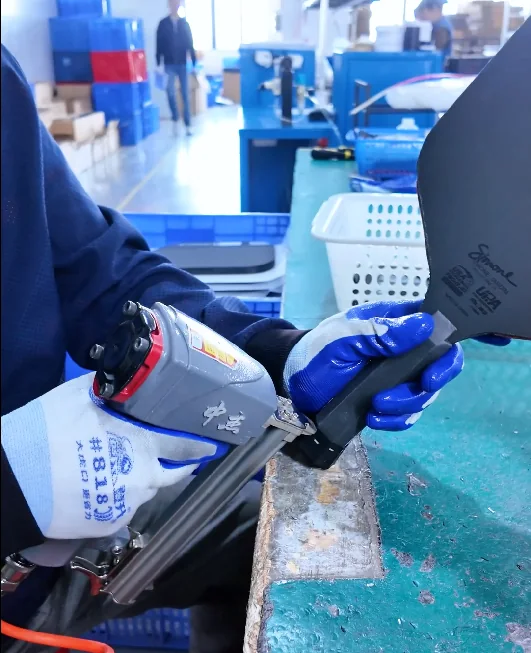
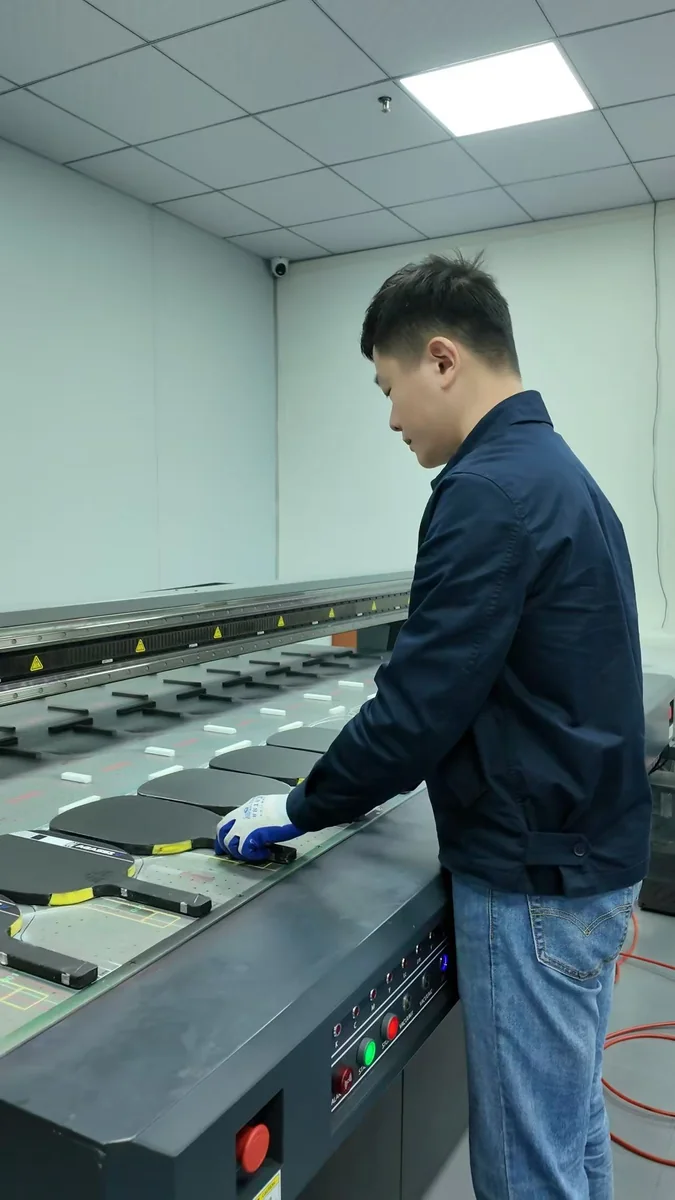

Do not treat hot press and cold press as quality grades
Both routes need to be evaluated against the specific structure, materials and performance target. In an OEM project, the practical questions are factory capability, compatible structures, sample stability, production consistency and cost boundaries.
What to define before choosing the process
Start with the target user, paddle shape, thickness, core, face material and visual direction. Then let the engineering route follow the product goal. Locking “hot press only” or “cold press only” too early can unnecessarily restrict material and cost options.

Sampling is the key validation step
Regardless of process, use sampling to confirm appearance, dimensions, weight, structural integrity, play feel and production controllability. New materials or complex structures usually require additional validation time.
How to ask a more useful RFQ question
Instead of asking only whether a factory offers hot pressing, share your reference model, target price band, expected quantity, material direction and market position. That gives the supplier enough context to recommend a workable process and sample plan.
Final process, material, MOQ and lead time should be confirmed for the actual project and approved sample.