
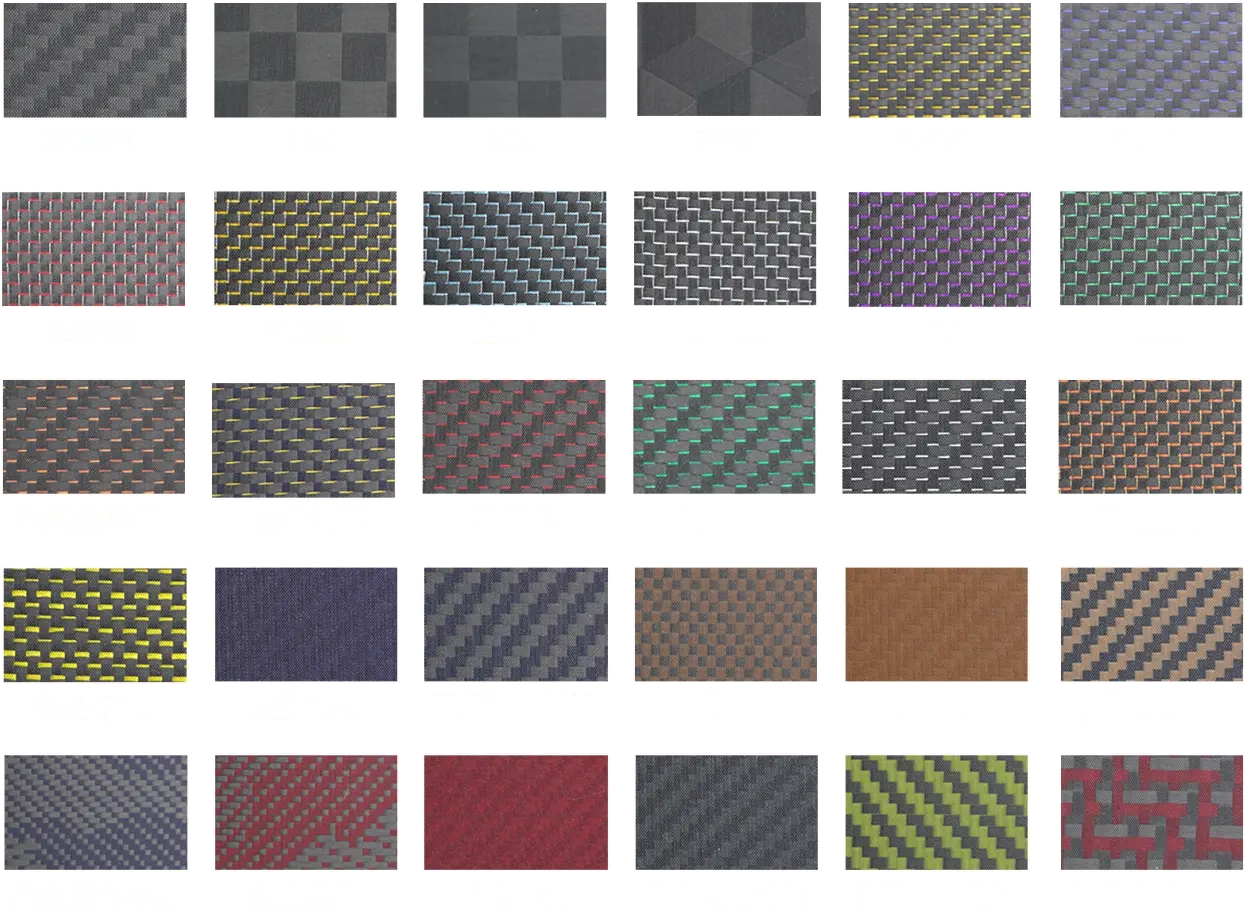
Material labels are only a starting point. For OEM development, evaluate the face material together with the core, thickness, molding process, target player, visual direction and production stability.
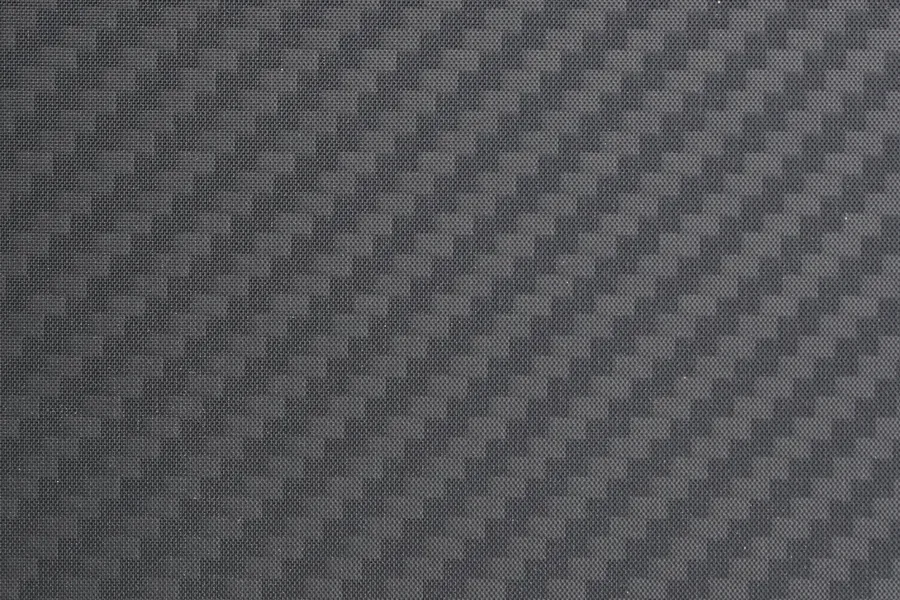
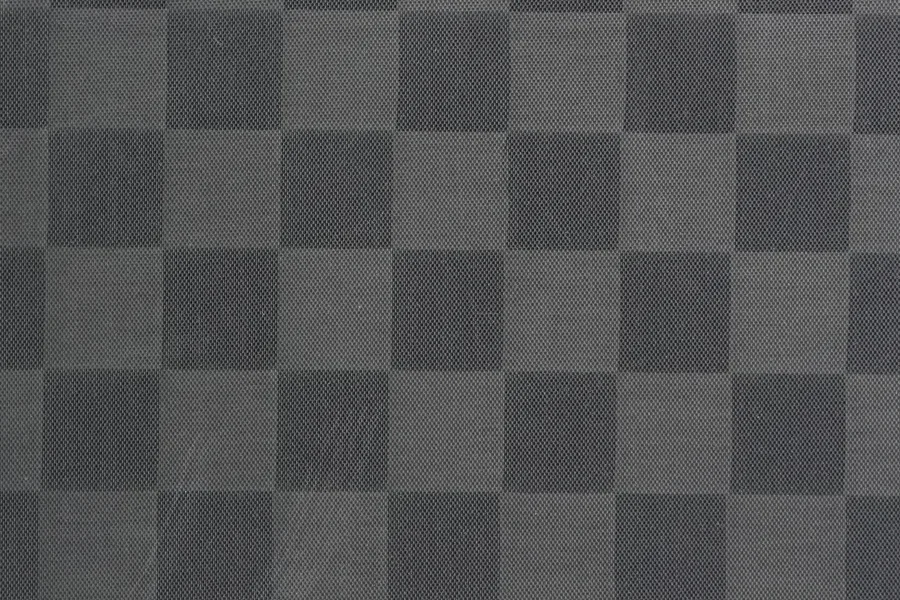
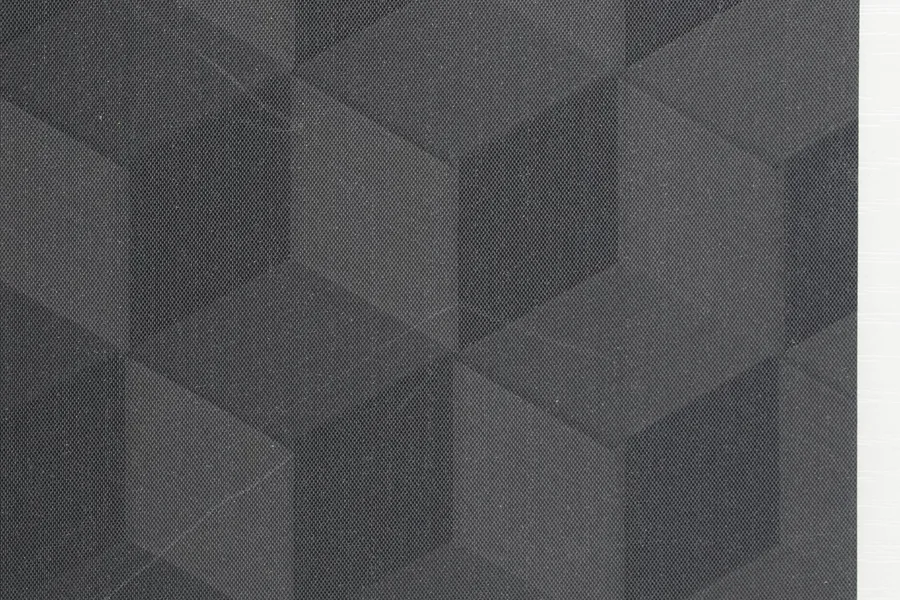
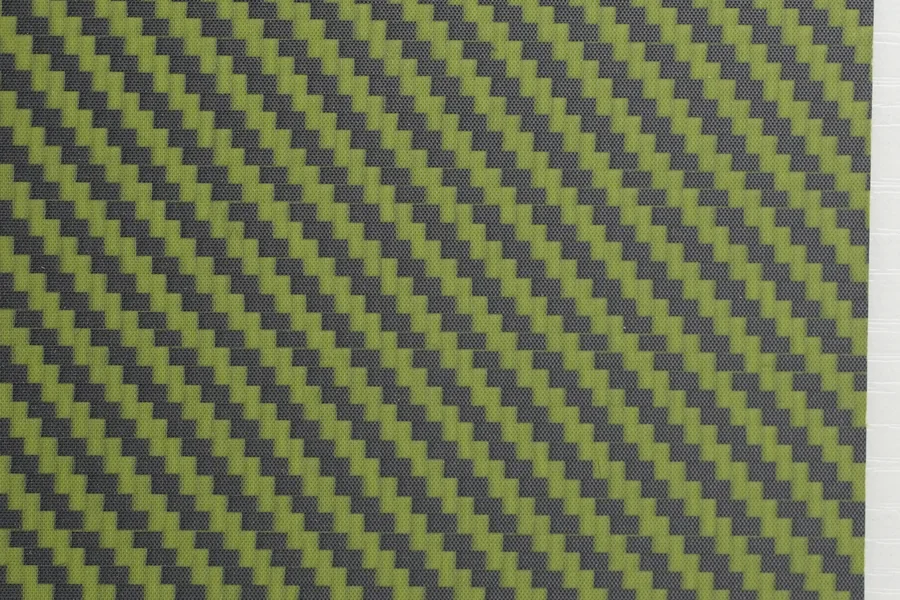
Material names are not the whole product answer
Two paddles described as carbon fiber can still feel and perform differently because of fiber specification, resin system, layup, surface treatment, core, thickness and molding. Do not select a production model based only on labels such as T700 or 18K.
How to think about 3K, 12K and 18K
These terms are commonly used to describe carbon-fiber weave or visual specifications. For an OEM project, confirm real material swatches, surface appearance, supply stability, target look and how the material behaves with the selected core and thickness during sampling.
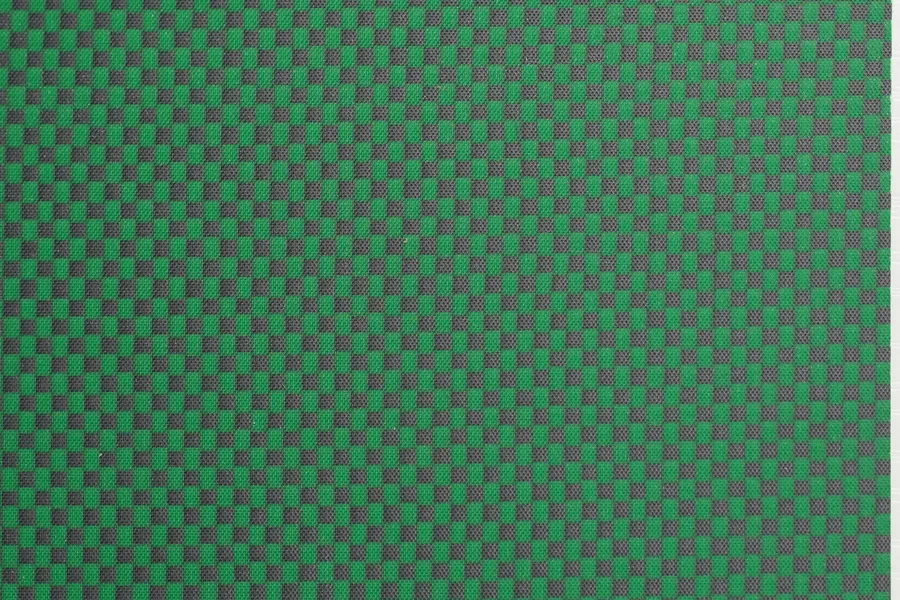
When KVL or colored weaves make sense
KVL/aramid-style and colored woven materials can support both product differentiation and brand expression. Start from physical swatches, then validate color, texture, surface finish and structure in a sample before locking production.
What buyers should request from a factory
Ask for real swatches or photos, production-available specifications, MOQ implications, special-order requirements, compatible surface processes and a clear sample-approval method. Avoid making a mass-production decision from a marketing material name alone.
Final material, process, MOQ and lead time must be confirmed against the specific project and approved sample.